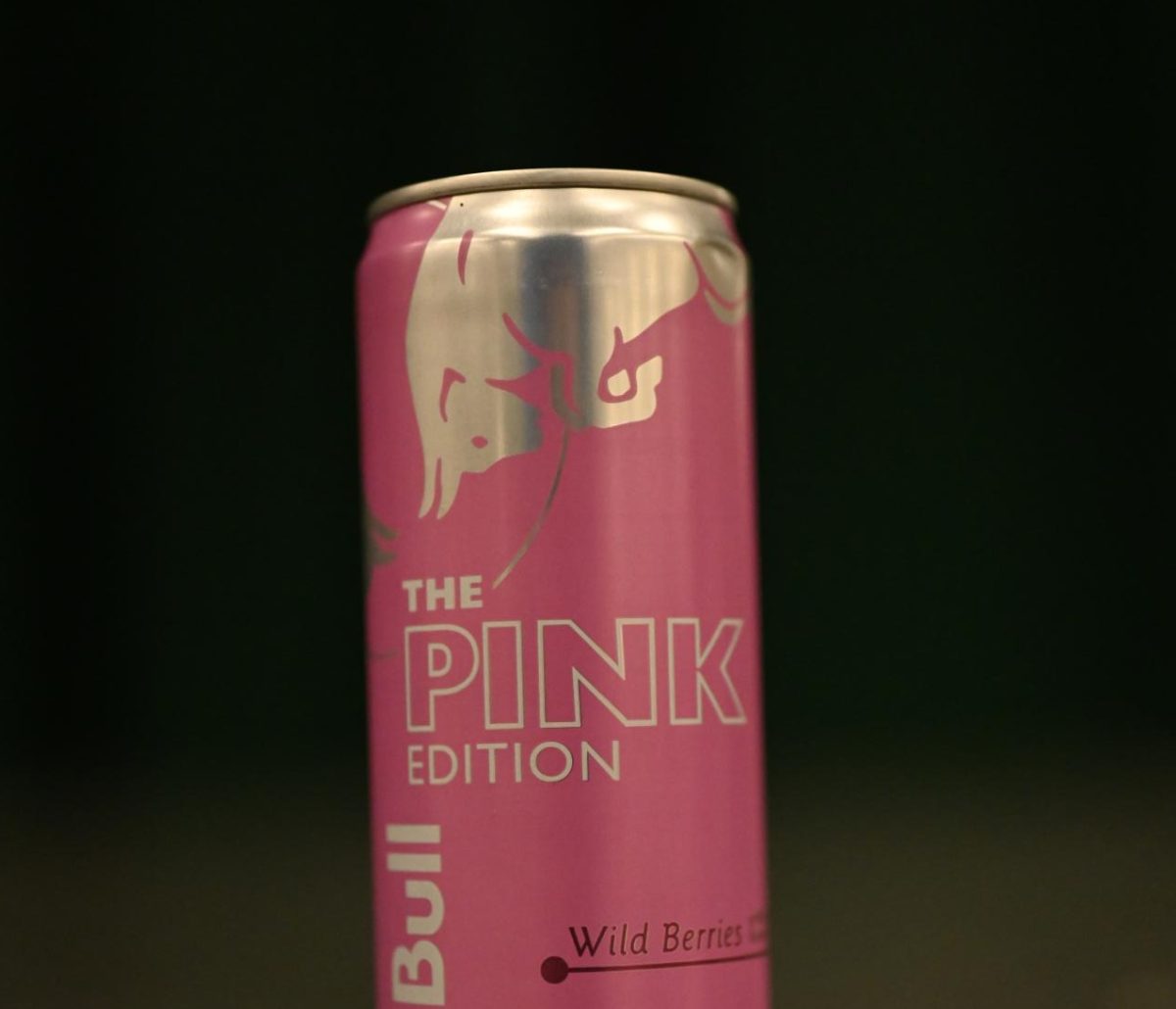
Energy drinks are something you probably see or have everyday. The distribution of energy drink brands like Redbull, Monster and Celsius have skyrocketed in recent years. Global brands of energy drink sales hit $193 billion in 2023. Sales were driven by high marketing, high caffeine content, and the appeal to young teens and adults for high performance and focus. This market is rapidly expanding by making more and more energy drinks, like prime and gatorade options.
Along with that, energy drinks can put a damper on your wallet. Buying an energy drink everyday adds up and gets expensive. The average price a year a person spends going to the coffee stand daily is at least 1,100 to 2,300 dollars yearly, so you might think your five dollar drink isn’t a lot but, when you do the math, five dollars adds up quickly.
Despite the popularity of energy drinks, these beverages are associated with health risks including increased anxiety, rapid heartbeats, and elevated blood pressure levels. And that’s not even half of the negative effects they can have on you. Most energy drink companies have been around for ages for example, Redbull which was founded on April 1st, 1987 and has been a loved brand since it made its debut. However more and more companies have been releasing new products such as Bloom Energy, Alani, and Celsius which has increased the skyrocket of the energy drink industry.
While energy drinks taste amazing and can make you feel less tired and more productive, they can have a really big toll on your body, especially if you drink them daily. One major effect energy drinks have is the increase of anxiety.If you are someone who struggles with anxiety already then energy drinks might not be the best option for you. Energy drinks cause anxiety by overloading the nervous system with high doses of caffeine and other stimulants triggering the body’s natural fight or flight response. This results in physical sensations like shaky hands, or jitters which the brain often interprets as anxiety or panic. The combined high levels of sugar and caffeine can also increase stress, irritability and palpitations.
“I have a bad habit of going to jitterz every morning and getting a drink and dealing with the consequences of that daily. It not only gives me shaky hands but it honestly makes me lose focus from school, because I’m too busy focusing on the way I feel. But if I don’t get my drink in the morning it leaves me with a migraine or really bad headache.” Rylee Messe said.
Anxiety is not the only negative effect energy drinks have on your body. Heart palpitations or heart malfunctions often happen due to the levels of caffeine from energy drinks as well. Many people report that after drinking a caffeinated drink their heart often beats or feels “weird.” The main reason this occurs is because high doses of caffeine and other stimulants like taurine and guarana which cause temporary arrhythmias by stressing the heart’s electrical system.
High blood pressure is another symptom that your body is not reacting well with your energy drink. Caffeine constricts the blood vessels in your body and increases your adrenalin.
This combination causes the heart to beat faster and work harder, leading to an acute rise in both systolic and diastolic blood pressure within 30 to 60 minutes after drinking an energy drink. Adrenaline alone can increase your stress hormones by 75%. The elevation in blood pressure typically peaks about an hour after consumption and can last several hours depending on the energy drink size. People with high sensitivity to caffeine are more at risk for high strikes.
The consumption of energy drinks over long periods of time can cause dependence, leading to withdrawal like migraines and stomach problems. It may also cause gastrointestinal distress and accelerated bone loss.
It can also damage your brain and nervous system leading to fatigue, headaches, and even dizziness and is usually accompanied by chronic anxiety, mood swings and insomnia.
It damages your bone health by decreasing the amount of calcium you get, leading to decreased bone density. Another risk of drinking energy drinks long term is the increase of stomach acidity. Leading to chronic nausea, irritation and even stomach ulcers.
The average intake or consumption amount of caffeine is recommended to be 200-400mg however people often drink around 600-800mg daily, making their risk for health issues greater.
“When it comes to energy drinks I often get more than one a day, which leaves me feeling sick and tired.” Morgan Dickerson said.
Drinking energy drinks daily is not healthy for your body, and can become a huge health crisis in the future. So for the future we should make healthier alternative options for energy drinks, these drinks will provide sustained energy through natural hydration, nutrients, and lower more stable caffeine sources. These drinks can include water, green tea, kombucha, protein drinks, and even smoothies. Green Tea provides antioxidants and a gentle amount of caffeine, kombucha provides healthy probiotics and smoothies packed with fruits and veggies can give the perfect balanced diet.
Water is one of the best choices around. Drinking water and staying hydrated keeps energy high, reduces fatigue and is essential for metabolic reactions. Green Tea and Matcha provides a lower, more consistent, and healthier caffeine boost. Why switch? You may ask. Unlike traditional energy drinks that contain high sugar, and high caffeine levels that often cause an energy crash hours later and long term health concerns, these alternatives can be beneficial and give you long lasting energy without putting your health at risk.Heart issues and diabetes are perfect examples of the damage energy drinks do. Having a healthy diet and drinking alternative drinks can help prevent this.
Everytime you go to a coffee stand or go to buy an energy drink, think about the many negative factors it can have. Energy drinks can take your overall health and money. They aren’t helping you stay focused there, keeping you busy before you crash.