During lunch time at Lakeland Highschool there are two main groups of people. The people that buy lunch everyday, and the people who pack their own lunches.
Both of these options provide a reliable way for kids to eat every day, but one of them is more cost-effective and a healthier option.
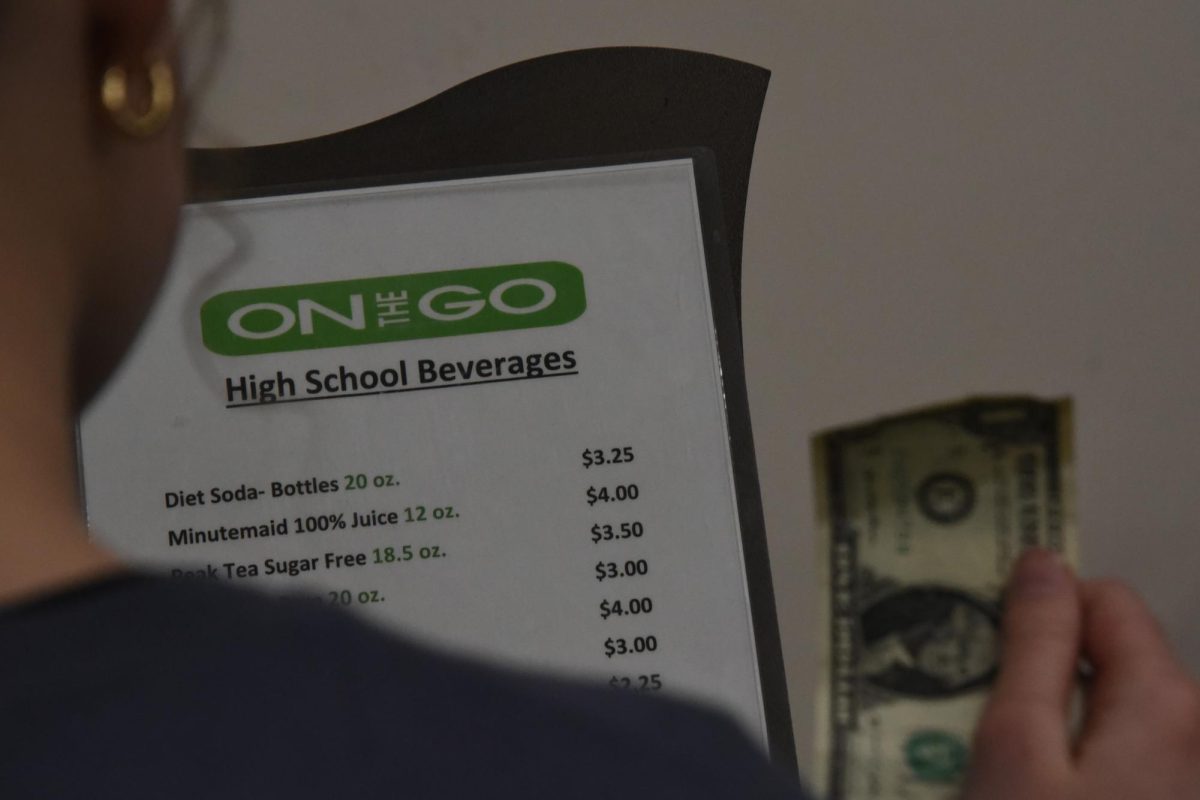
Every day over half the school leaves to go buy food from local places like Mcdonalds, Taco bell and Super One. Many students only spend around 5-10 dollars a day at lunch.
Teens not only buy food at lunch but many get drinks in the morning which is around 7 dollars
These purchases add up fast. The average student that goes out to lunch will spend around 50 dollars a week. School is from 36-38 weeks long so the average student will spend 1800 dollars a year on everyday drinks or snacks. Many students do not track how much or how often they are spending their money, so they don’t know how much money they could potentially save with packing lunch.
People that go out to eat everyday are also more likely to eat unhealthy food because it is cheaper.
Lillian Mihara buys lunch for her and her friends almost every day. She spends around 20-30 dollars a day depending on how many people she is buying lunch for.
They usually buy candy, ice cream, chips, and chicken.
“My friends and I need to eat better,” said Lillian.
People that pack lunch often have more balanced foods and it is a much cheaper option because they can buy a large pack of food from places like Costco that proves to be more cost effective than buying food everyday.
Heleena Clay is a freshman at Lakeland Highschool that packs her own lunch everyday.
She usually packs a sandwich, chips, fruits and vegetables, and some form of dessert.
She likes packing her lunch everyday because it is healthier and more cost effective.
“It’s better because if I ate out everyday I would become fat,” Clay said.
Packing a lunch is also a better idea for people like Heleena that have allergies or diets, because the person packing the lunch knows exactly what is in the food and can buy special foods for dietary needs that are not found at places near the school.
Both of these options have pros and cons but they both help teens have a filling lunch that can help them through the school day.
Lunch Money vs Packing Lunch