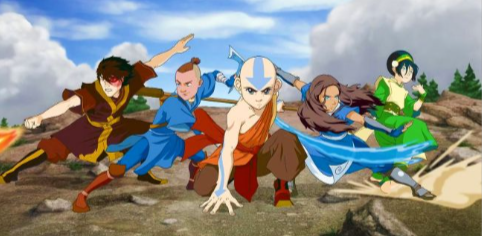
What do you think of when I say “Avatar”? Probably of the tall blue people. But I think of the band of misfits, on a journey to save the world from an imminent danger.
In “Avatar: The Last Airbender”, the story follows this twelve year old boy, who was trapped in Ice for one-hundred years, and shocks his saviors by telling them he is the “Avatar”.
A supremely powerful bender of all fours elements, destined to preserve world balance.
This show on the surface is quite simple. Take Aang, the main character, on a trip around the world, to learn all techniques of fighting and have him fight the big bad at the end of the series to, again, save the world.
But what isn’t blatantly shown, is the in-depth character development, the strain and repair of relationships, and the overarching lesson of “you are enough, so long as you try your hardest”.
One of, if not, the most popular character in the show is Prince Zuko. A character filled with peaks and valleys, and a complicated arrangement of emotions.
From hunting the Avatar, Aang, to becoming a close and dear friend to him, goes through metaphorical hell, and back again overcoming guilt, fear, and eventual self-forgiveness.
His Uncle, Iroh, is his main mentor. After Zuko’s father permanently scars his face, he sets out to hunt the Avatar. Iroh, over the course of the series comes to see Zuko as a son, rather than nephew and looks after him, both physically, and spiritually.
This kind of story writing, especially for children’s cartoons, is very few and far between.
Being this well done is a testament to passionate story writers and animators who genuinely love their craft, and is an underestimated quality in very few shows now in today’s age.
Even though Avatar came out 21 years ago, the decline in quality is tragic, and presents a clear case as to persuade indie film and television creators to come out from their shells and start making actual art again.